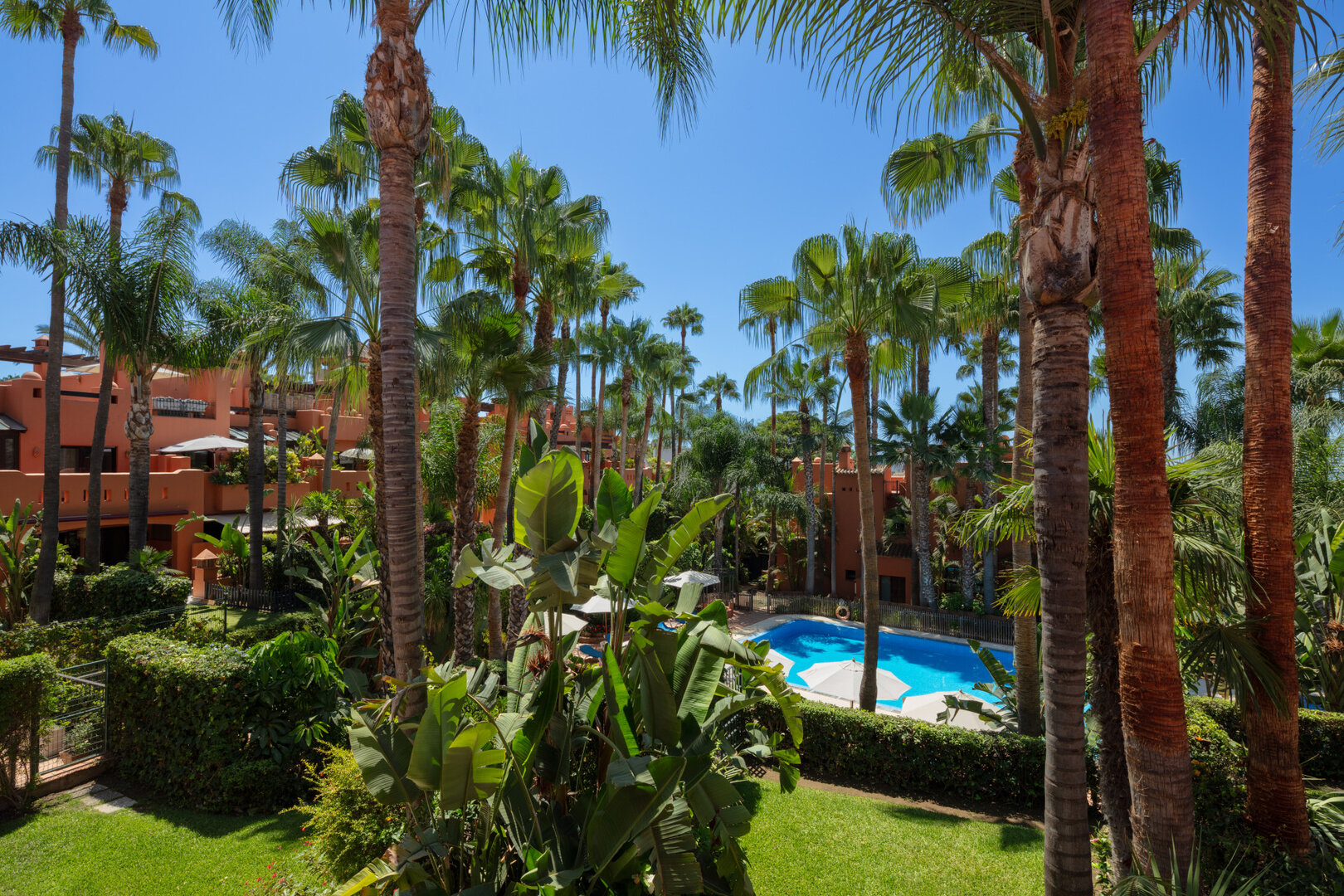
Before looking for a home, many people look for an area. Someone thinking of moving to the coast from London or Stockholm often doesn't know yet whether they want an inland village or a flat on the beach, and a good guide helps them decide. If your agency wrote that guide, they'll know who to call when they do.
Write for someone who has never been
The most common mistake is writing for people who already know the place. "A stone's throw from the centre" means nothing if you don't know where the centre is. Give distances in minutes, by car and on foot, to what everyone asks about: the airport, the beach, the big supermarket, the hospital and the schools.
The questions that always come up
Any agent with a few years on the coast knows them by heart. They're worth answering in writing:
- What's the area like in winter? Some developments are lively in August and almost empty in January, which suits some people and not others.
- Do you need a car? In many developments, with the hills and the distances, yes.
- Which schools are nearby, and what language do they teach in?
- Is it noisy? A quiet street in November can be next door to a beach bar playing music until late in July.
- Where do you do the shopping, where's the health centre, where do you go for a coffee?
What only locals know
Anything a tourist guide covers won't set you apart. Details like these will: what time the road into town backs up, which beach gets less of the levante wind, which street market is worth it and what day it's on. Three or four details like that are worth more than ten paragraphs about the climate.
Photos of the area
As well as homes, show the high street, the seafront, the market, the view from the lookout. If you took the photos yourself, all the better: buyers will recognise the places when they come out for viewings.
Review it every year
A restaurant that closed two years ago or a school that changed its name undermines everything else on the page. Go over the guide once a year and put the date of the last review on it.
Link to it from your listings
A guide nobody finds isn't much use. Link to it from the properties in that area and from the blog, because someone looking at a flat in that town is exactly who will read it. On Sytio websites, guides have their own section, separate from the blog.